Tree roots in sewer lines happen when roots find moisture escaping from small cracks, loose joints, or aging pipes. Once inside, they continue growing until they restrict wastewater flow or damage the pipe itself. Understanding how root intrusion starts makes it easier to recognize problems before they turn into sewer backups.
In Yakima, mature trees throughout established neighborhoods provide shade during hot summers, but large root systems can create challenges for older underground sewer lines.
Why Tree Roots Are Attracted to Sewer Lines
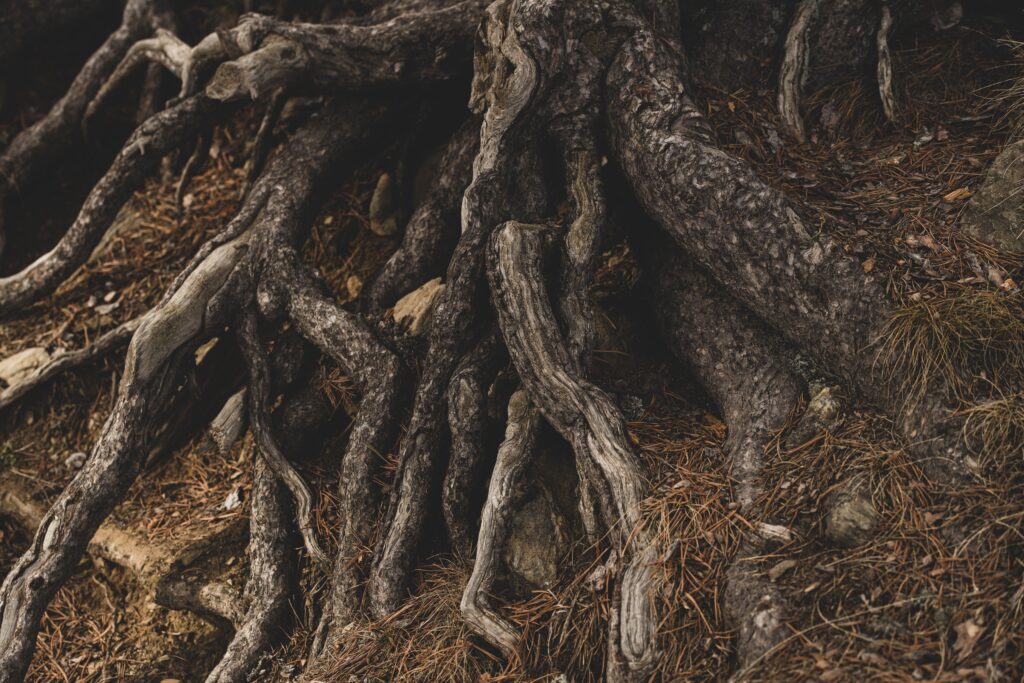
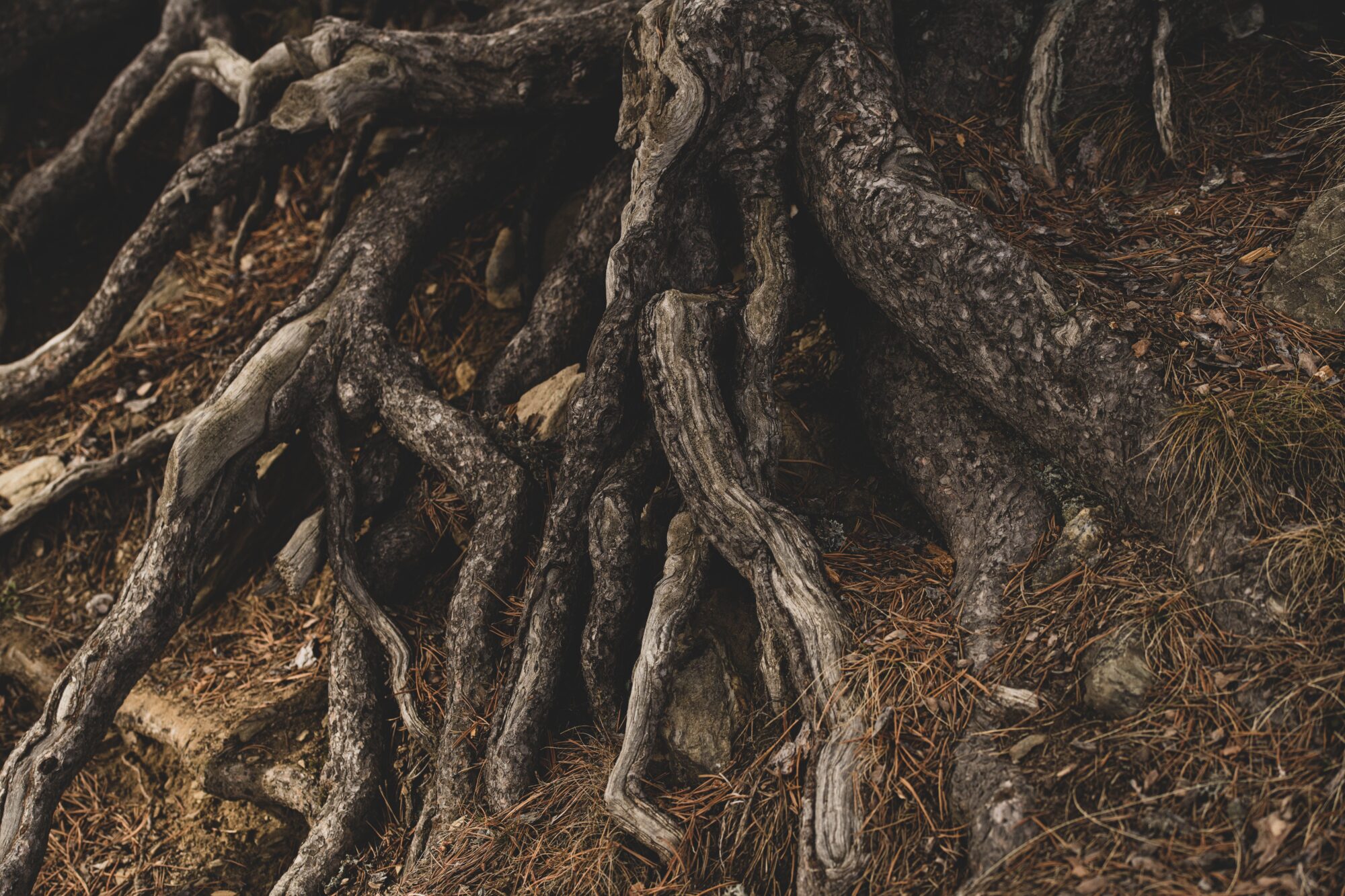
Tree roots naturally grow toward dependable sources of water and nutrients. A small leak from a sewer pipe releases enough moisture to attract nearby roots.
Once roots reach the pipe, they continue searching for the opening where water is escaping. Even a hairline crack or loose pipe joint gives small roots enough space to enter.
How Tree Roots Enter Sewer Pipes
Small Cracks and Pipe Joints
Most sewer pipes do not fail all at once. Small openings develop as pipes age or settle.
Common entry points include:
- Loose pipe joints
- Hairline fractures
- Cracked pipe sections
- Damaged connections
Common Sewer Pipe Materials Vulnerable to Root Intrusion
Older sewer systems are more susceptible to root problems.
Materials frequently affected include:
- Clay pipe
- Cast iron pipe
- Orangeburg pipe
- Older PVC installations with separated joints
Root Growth Inside the Pipe
Small roots enter first. Once they reach wastewater, they continue expanding inside the pipe. Over time, a dense mass develops that catches toilet paper, grease, and other debris moving through the sewer system.
Common Effects of Tree Roots on Sewer Systems
Drain Blockages
Tree roots reduce the amount of open space inside the pipe. Wastewater slows as the blockage grows.
Homeowners will frequently notice sinks, tubs, and showers draining more slowly before larger sewer problems develop.
Complete Sewer Line Obstructions
As roots continue growing, they collect additional debris until wastewater can no longer pass through the pipe.
A complete blockage places the entire plumbing system at risk of backing up into the home.
What Do Tree Roots Do to Sewer Lines?
As roots expand, they place pressure on damaged sections of pipe. Existing cracks become larger, joints separate, and weakened pipe walls begin to fail.
Possible damage includes:
- Cracked sewer pipes
- Pipe separation
- Pipe collapse
- Sewer backups inside the home
The longer roots remain inside the pipe, the greater the chance that repairs become more extensive.
What Are the Warning Signs of Tree Root Problems?
Watch for signs that roots have reached the sewer line:
- Frequently clogged drains
- Slow-draining fixtures
- Gurgling sounds in plumbing
- Sewage odors inside or outside the home
- Recurring sewer backups
- Wet or unusually green areas in the yard
These symptoms become more noticeable as root growth continues restricting wastewater flow.
How Professionals Diagnose Root Intrusion
Sewer Camera Inspections
A professional sewer inspection uses a waterproof camera to examine the inside of the sewer line. The inspection identifies the location of root growth, determines how much of the pipe is affected, and checks for cracks or separated joints.
Drain Flow Testing
Drain flow testing measures how wastewater moves through the system. Comparing flow with camera findings helps determine the severity of the blockage and identify additional problems affecting the sewer line.
How Professionals Repair Tree Root Intrusion
The right repair depends on the condition of the sewer pipe.
If roots are limited to one section, we can remove the tree root intrusion and restore your flow. When roots have cracked, separated, or collapsed the pipe, sewer repair replaces or repairs the damaged section.
Homeowners searching for how to remove tree roots in sewer line should avoid relying on temporary chemical products. Professional equipment removes the roots while identifying the damage that allowed them to enter in the first place.
Schedule Service Before Root Damage Gets Worse
Tree roots continue growing until the blockage or pipe damage is addressed. Campbell & Company can inspect the sewer line, identify the source of the problem, and recommend the appropriate repair before a blockage leads to a sewer backup.
Schedule online today.
Schedule OnlineFrequently Asked Questions
Roots do not grow through solid pipe walls. They enter through existing cracks, loose joints, or damaged sections.
Older clay, cast iron, Orangeburg, and separated PVC pipes experience root intrusion more frequently because they develop openings as they age.
Yes. Expanding roots place pressure on damaged pipes, causing existing cracks to spread until sections of pipe fail.
No. Grease, foreign objects, and other blockages also restrict wastewater flow. A camera inspection identifies the actual cause.